The cancel
culture debate



‘Woke’ has become the term that follows Gen Z like a bad smell. It’s a word that’s bred a generational divide.
Trends like ‘ok boomer’ poke fun at the opinions of older generations. If young people are disrespectful of their elders, they’ll clap back that “be kind” is a principle inapplicable to those who took all the houses and destroyed the planet.
We’ll round off this year’s Youth Trends Report by asking the question that every marketer is desperate to ask, but hesitant to voice: Are Gen Z going to cancel me?
The fact that 48% [of Gen Z] would not define themselves as woke doesn’t surprise me. A lot of what people determine as ‘woke’ young people just think is normal. Then, on the other hand we see that there are still many people who hold more traditional values.


Are Gen Z actually as woke as we think they are?
Let’s kick off with a definition. "Woke" typically means someone who is socially aware, progressively minded and actively engaged.
Sounds quite lovely, but it’s important to note that this term is used interchangeably as both a positive and negative. Some use the term to praise young people’s awareness and activism, while others use it derisively to imply youngsters are overly sensitive or politically correct.

By gender, Gen Z males were overwhelmingly more likely not to consider themselves woke (59%), compared to Gen Z females (41%).
By age, those between the ages of 16-18 were the most likely to identify themselves as woke.
We dissected this further by presenting Gen Zers with the dictionary definition of ‘woke’, which is to be ‘alert to and concerned about social injustice and discrimination’.
Of those who said “no”, some of the qualitative responses were as follows:
“Woke culture ruins lives and pushes an agenda”
“I don’t like the term”
“I’m not a snowflake”
So what does this mean?
There seems to be an overriding theme here: it’s not about the sentiment of being woke, but the word itself.
Gen Z is bristling at ‘wokeness’ because the word now has so many negative connotations. It’s a word that has lost coherent meaning for Gen Z. Woke is now associated with being anti-freedom of speech – and as a result, young consumers are dissociating themselves from it.

Gen Z and cancel culture
Gen Zers are associated with cancel culture because they’ve shaped it. Social media allows anyone to voice their opinion and influence others. A lot of the time, this is done anonymously. A herd mentality has grown – defended by some as ‘justice’ and labelled by others as a ‘mob’.
How much of Gen Z actually agrees with ‘canceling’? Well, surprisingly, not as many as you’d think.
Over 90% of Gen Z would still shop with a brand even if the brand did
something ethically unfavorable.

How to get it right, and how not to get it right
Gen Z are consistently labelled as socially conscious consumers, but this doesn’t always translate into their purchasing habits. This is realistic, and shouldn’t come as a surprise to marketers. For anyone – regardless of their generation – what we want to achieve versus what we actually accomplish is part of being human. No one is perfect 100% of the time.
A lot of brands are doing great work when it comes to their ethics. Levi’s campaign against America’s gun violence epidemic attracted widespread praise. Californian clothing brand Patagonia is a firm favorite for its sustainability credentials. And we can’t forget the cultural significance of Nike endorsing Colin Kaepernick’s taking of the knee.
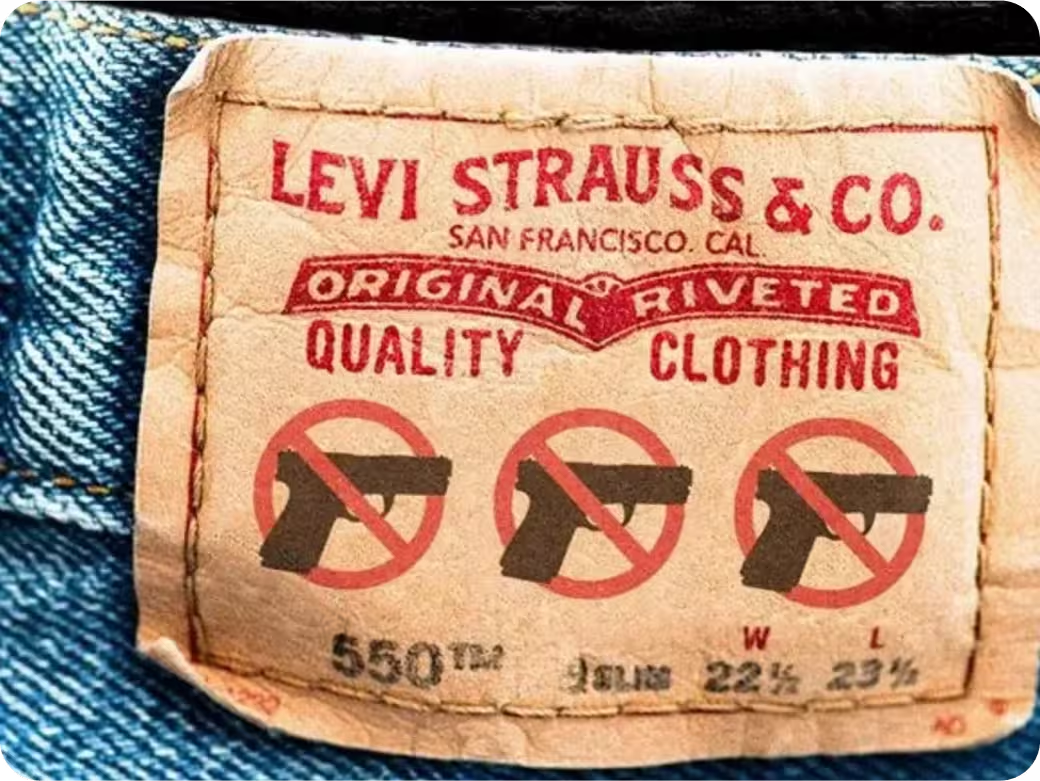
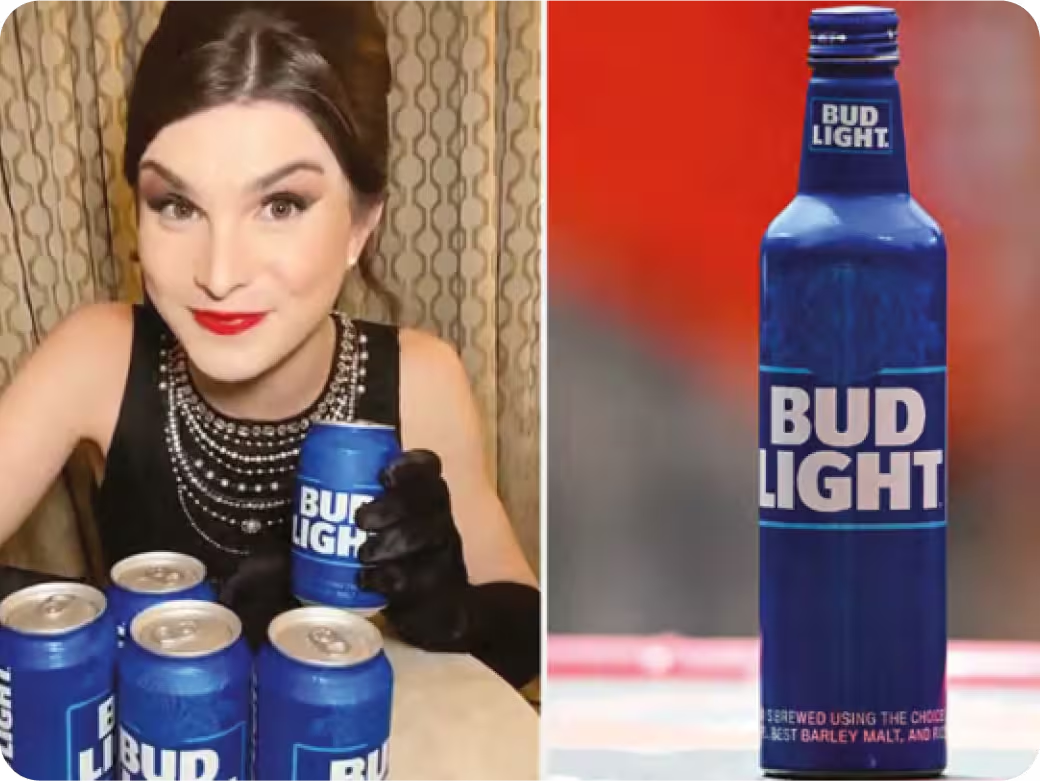
However, other brands aren’t doing so well.
Bud Light is one example. After receiving right-wing backlash for collaborating with trans influencer Dylan Mulvaney, Bud Light’s president released a statement that spoke of the brand’s plan to “stay in their lane”. Since their campaign with Mulvaney, Bud Light is no longer the top-selling beer brand in the US.
How can your brand leverage these insights?
.avif)
Actions are part of the clean-up.
Young consumers aren’t naive: they expect scandal – the world would be dull without it. However, they’re looking for sincerity, consistency and action-driven messaging as part of the cleanup.

Young consumers are far from monolithic.
If there is one takeaway it’s this: brands and marketers should be cautious in assuming that all Gen Z individuals share the same values. They don’t.
Listening should start with individuals, and not blanket majorities: that’s the only way to drive genuine engagement and sustained loyalty.

There’s always room for education and growth.
Despite the perception of Gen Z being socially conscious and ‘woke’, the reality is more nuanced. This isn’t bad news: young consumers are open to learning and evolving their views.
Opportunities for education and meaningful dialogue are fruitful – find your place in the conversation.




Want to dive deeper into this year’s trends?
Get ready to download some game-changing tips, tools and tactics that’ll have your youth marketing strategy looking straight-up iconic.