%20%20weekly%20briefing%20(6).png)
Here's a hot take: young people don't hate the news. They never did. What they hate is being handed a broadsheet when they're scrolling TikTok on their lunch break.
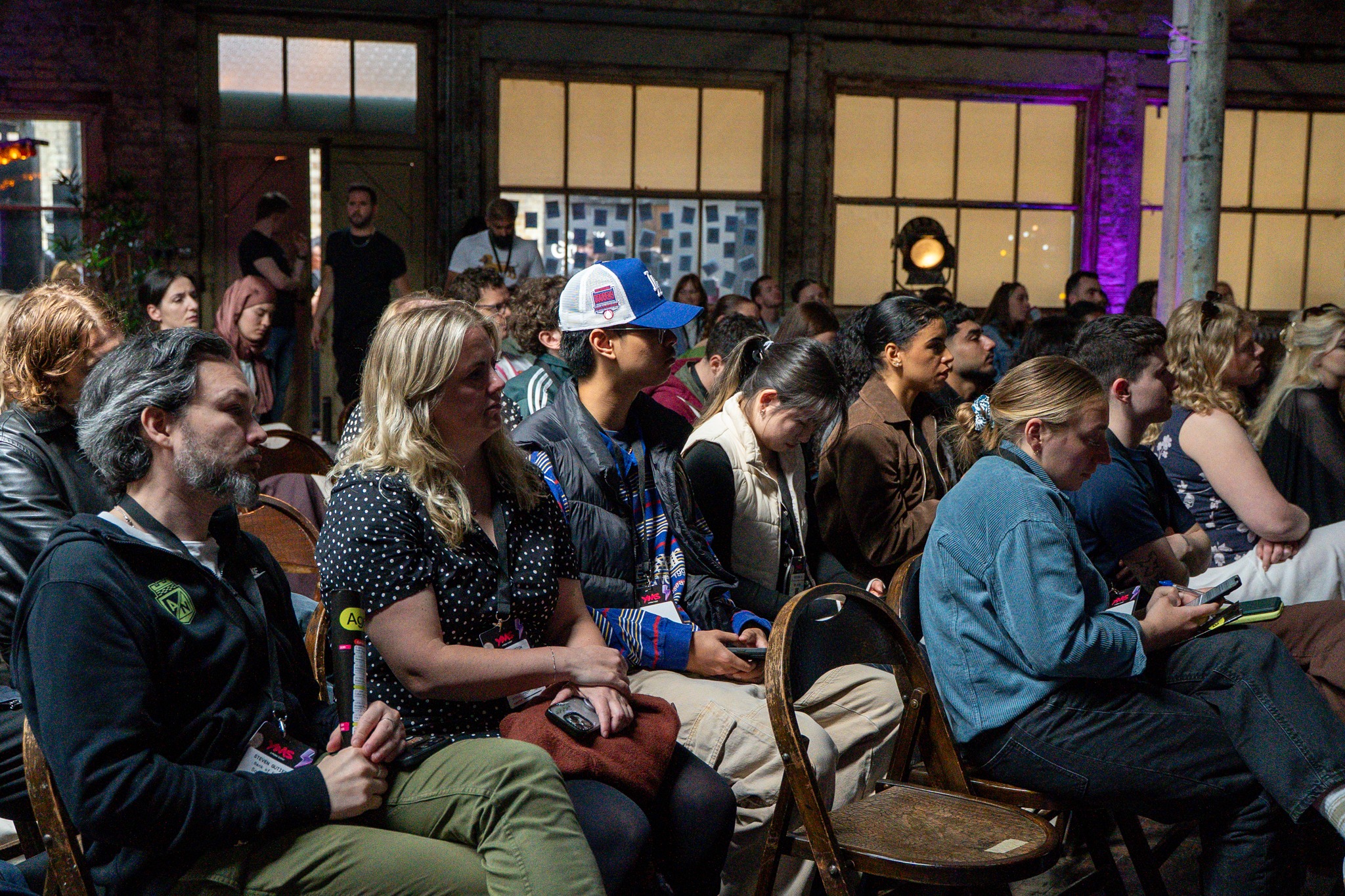
At this year's Youth Marketing Strategy London, a panel of journalists, editors, and media experts came together in a session titled “Hot Take: Young people actually love the news” to challenge one of the biggest myths in media. The claim that Gen Z has switched off from news entirely? Not true. Gen Z media consumption is alive, active, and growing. It just looks completely different from what came before.
Fin Wright, Head of Community at The News Movement, opened with a reframing stat: The News Movement reaches two-thirds of all 18–35 year olds in the UK, and their best-performing content is original journalism. "Do Gen Zs really not care about news? Or is it more about how it's packaged?" The panel featured Ava Evans (Political Editor, PoliticsJOE), Jonelle Awomoyi (Journalist & Presenter, BBC News), and Matt Cooke (Head of Ecosystem Investments, Google). Here's what brands need to know.
Gen Z Media Consumption Has Changed, Not Disappeared
The idea that young people are disengaged from news is outdated. What's changed is the format, the platform, and the faces delivering it.
"People say young people don't care about news and they're not interested, and that's always been wrong in my opinion." Matt Cooke, Head of Ecosystem Investments, Google
The challenge isn't engagement, it's location. Jonelle Awomoyi made a sharp point too: what counts as "news" has expanded. Young audiences are consuming and discussing information constantly, and traditional media has been slow to recognise it as legitimate.
The data backs this up.
Research from the Next Gen News report found that 55% of respondents under 25 consume news daily, with 76% discovering it through social media and 66% through video. According to Pion100 research, YouTube has now overtaken ITV as the second most-viewed channel by all age groups in the UK. The audience is there.
So what formats are actually winning? Newsletters, short-form video, and niche community platforms.
The News Movement has built its model around exactly this: creator-led, platform-native content that meets young people where they already are, with original journalism as their most engaged content type.
Why Creator-Led News Content Is Winning the Trust War
Short-form journalism and creator-led news content aren't just trends. They're the new standard. And the reason they work comes down to two things: authenticity and authority.
Ava Evans explained how PoliticsJOE operates entirely through video, targeting audiences scrolling Instagram and TikTok. Their approach? The three-second rule.
"If my video or text on screen isn't interesting in the first three seconds, people will scroll past it." Ava Evans, Political Editor, PoliticsJOE
They've also leaned into lo-fi production, stepping back from slick graphics in favour of content that feels native to the platform and favoured by the algorithm.
“At BBC News... While creators win on authenticity, journalists win on authority.” Jonelle Awomoyi, Journalist & Presenter, BBC News
The two are converging. Journalists are increasingly letting more personality into their work, leaning into regional accents and on-the-ground storytelling, and it's working.
Once that trust is built, it compounds. Matt Cooke shared that 65% of Gen Z will return to a news source they trust, and when they do, they're not just after a headline.
"They want deeper dives. They want to hear from experts. They want their views challenged." Matt Cooke, Head of Ecosystem Investments, Google
PoliticsJOE's one-hour YouTube interviews are predominantly consumed by 16–24 year olds — the stereotype of Gen Z only wanting short-form content simply doesn't hold.
What Brands Can Learn From How Gen Z Consumes News
The shift to community-driven platforms holds a direct lesson for brand strategy: information and entertainment are merging, and brands that act like media companies are the ones winning attention.
"Don't overlook Gen Z as just one group. It's good to have an ideal person in mind and build back from that." Ava Evans, Political Editor, PoliticsJOE
This mirrors what the Pion100 found. 87% of 16–24 year olds have positive feelings towards brands, but the relationship is nuanced. 72% describe themselves as careful budgeters who spend strategically, which means trust and relevance aren't nice to have. They're the deciding factor.
For brands considering news as a content strategy or sponsorship opportunity, the message is clear. Working with trusted news creators isn't just a media buy. It's access to a loyal, engaged audience that has actively opted in. As Matt Cooke noted, decent editorial organisations won't reshape their journalism around a marketing brief. The value is in authentic alignment, not editorial control. Platforms like YouTube and Substack are where deeper, more evangelical audiences are being built right now, and the brands that invest early will be best placed as those communities grow.
The Bottom Line
Gen Z isn't rejecting the news. They're rejecting how it used to be packaged. Short-form video, personality-led reporting, niche content communities: these aren't shortcuts. They're the new craft.
For brands, the opportunity is real. The brands that win will be those that meet Gen Z where they are, respect the communities they've built, and show up in ways that add value rather than interrupt.
{{ctaDark}}
Read next...
%20_%20weekly%20briefing.png)
%20_%20weekly%20briefing%20(1).png)
%20_%20weekly%20briefing%20(1).png)
Want to know exactly how Gen Z feels about your brand?
Download our PION100 study to understand how to reach and engage young audiences through authentic, insight-led strategies.
Ready to start owning your growth?