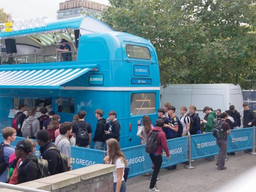
Greggs x Student Beans: How a bus tour won Freshers’ loyalty
Carla Pelosoff · 19 October 2026
For those of us who grew up in the ’90s and ’00s, it can be amusing to see how many of the trends we loved and ditched years ago are now the height of fashion for Gen Z. It can also be strange to see people who were born during that era expressing nostalgia for a time they can’t possibly remember. A name for this has emerged in recent years: anemoia.
The term anemoia was coined in 2014 by John Koenig, writer of The Dictionary of Obscure Sorrows, where he aims to fills gaps in the English language with new names for emotions we recognize but don’t have a word for. Anemoia is not a feeling unique to Gen Z – think for example of the Brits who idealize the “blitz spirit.” In fact, taking inspiration from an era just before you were born is a thread throughout youth culture. In the ’90s, the style and music of the ’70s were on trend, and in the ’00s, people looked to the ’80s for inspiration. Therefore, it makes complete sense that the ’90s and ’00s would have inspired the youth trends of the 2010s and 2020s.
Watch on TikTokIt’s hard to compare Gen Z to past generations of young people whose lives weren’t lived online, so we can’t say for sure that they are more prone to anemoia, but there’s certainly a strong theme of nostalgia throughout many of the trends we cover here at Pion. For example, the kidcore trend shows Gen Z taking inspiration from children’s clothing and incorporating TV characters to create a look that is obnoxiously cute and colorful. Other examples of anemoia among this generation include their love of ’00s emo bands like My Chemical Romance, ’90s TV series Friends, sportswear brands like Fila and Champion, and apps like Dispo, which makes your photos look like they were taken on a disposable camera.
The Pion Youth Trends Report examines five of the biggest trends that are impacting the lives of young people today.
As our new Youth Trends Report shows that 84% of UK 16-24s have experienced mental health issues during the pandemic, it’s natural they would be drawn to comforting reminders of a more innocent time. Additionally, to young people bombarded with ads and notifications, these trends represent a nostalgia for an era before social media, when issues such as FOMO and body image were less acute – a time that Gen Z didn’t experience, and so have idealized in their minds.
So, should marketers be looking to incorporate ’90s and ’00s aesthetics into creative campaigns? It’s always good to ensure your visuals are on-trend, but there’s something more important to learn from the rise of anemoia among Gen Z. We need to consider what it is that appeals to them about each of the examples we gave above. Brands should be looking to create spaces where young people feel free to be themselves, where they can experiences the creative and community-focused benefits of social media, without the downsides. For each campaign or piece of content you release, you need to question whether it will make your audience feel relaxed and supported, or add to their anxiety. Not only is this a moral responsibility for brands, but this approach will also help to strengthen your relationship with valuable young consumers.
Our data-driven weekly newsletter is jam-packed with actionable takeaways to help make you better at your job.
Carla Pelosoff · 19 October 2026
Emily Jean-Mary · 15 October 2026

Amelia Lisco · 14 October 2026