
Greggs x Student Beans: How a bus tour won Freshers’ loyalty
Carla Pelosoff · 19 October 2026


The majority of Gen Zs can tell if you use a filter on a social media image – and many say filters affect how they see themselves.
If you’re creating content aimed at a Gen Z audience, you’ll be well aware that authenticity is a cornerstone. But in a world where it’s possible to redefine your facial features, skin tone, and body type with just one swipe of a filter, what’s the way forward when it comes to posting on social?
Roughly, 57% of UK Gen Zs say that they use filters on their posts; this rises to 62% in the US. The most common reason for filter usage among Gen Zs is to improve their footage quality – but a significant proportion of young social media users are drastically altering elements of their appearance via filters.
Filters can be a fairly harmless way to improve image quality or tap into a funny joke. But more concerningly, they’re a way for social media users to significantly alter how they look. In the UK, 43% of Gen Zs say they use filters for this purpose – in the US, it’s 23%.
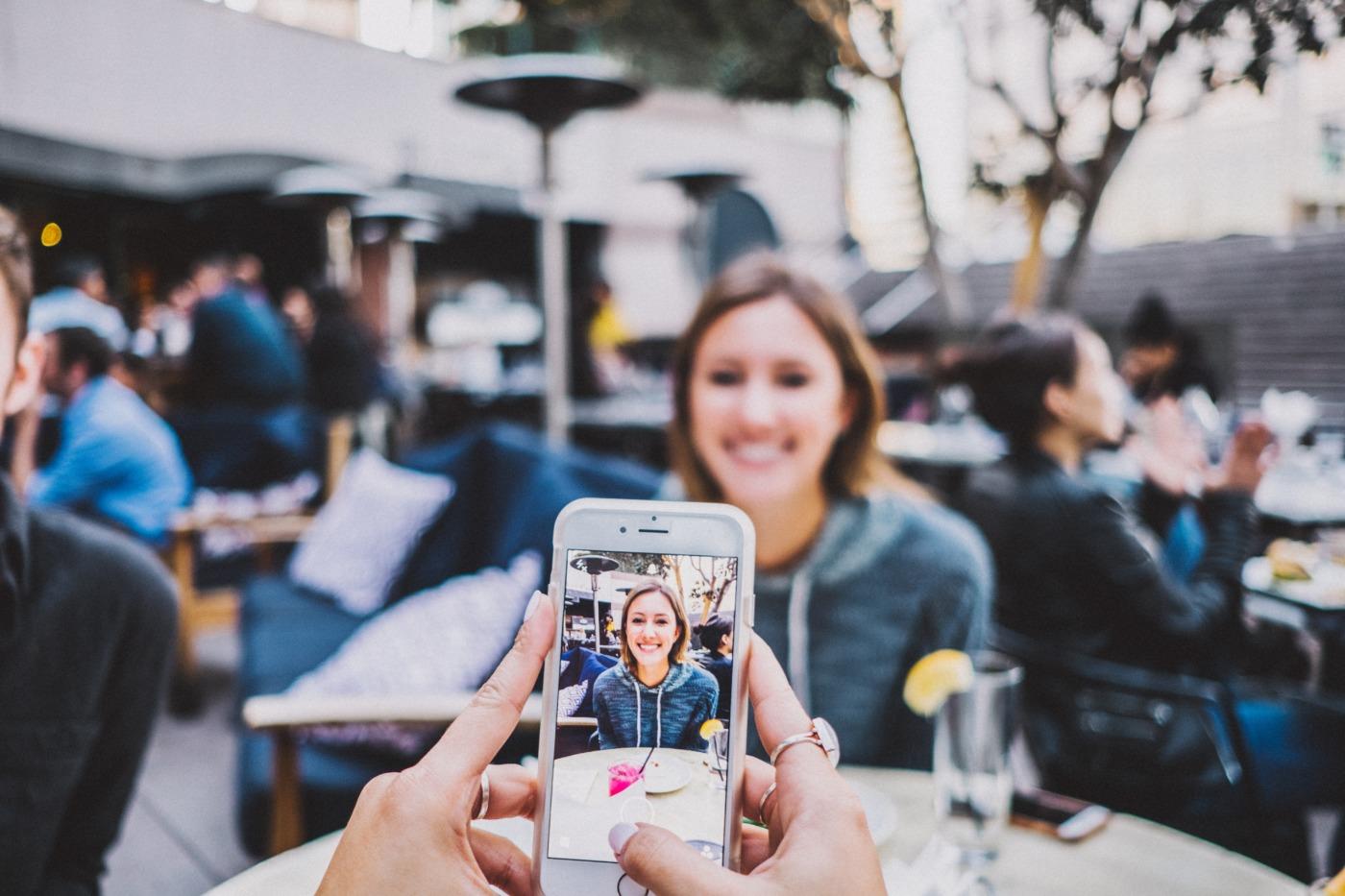
Let’s zoom in on the UK for a moment. Most commonly, UK Gen Zs are using filters to change their faces, followed by altering skin tone then altering body shape. These figures are alarming – particularly when you consider that 40% of teens report that Instagram makes them feel “unattractive”, and 71% of UK Gen Zs say filters affect how they see themselves.
Increasingly, brands are following in Gen Zs’ footsteps on social media – creating content that they feel will resonate with younger audiences. If you’re questioning whether your brand should ditch the filter, now might be a good time. 88% of Gen Zs say they can tell the difference between a filtered or unfiltered post.
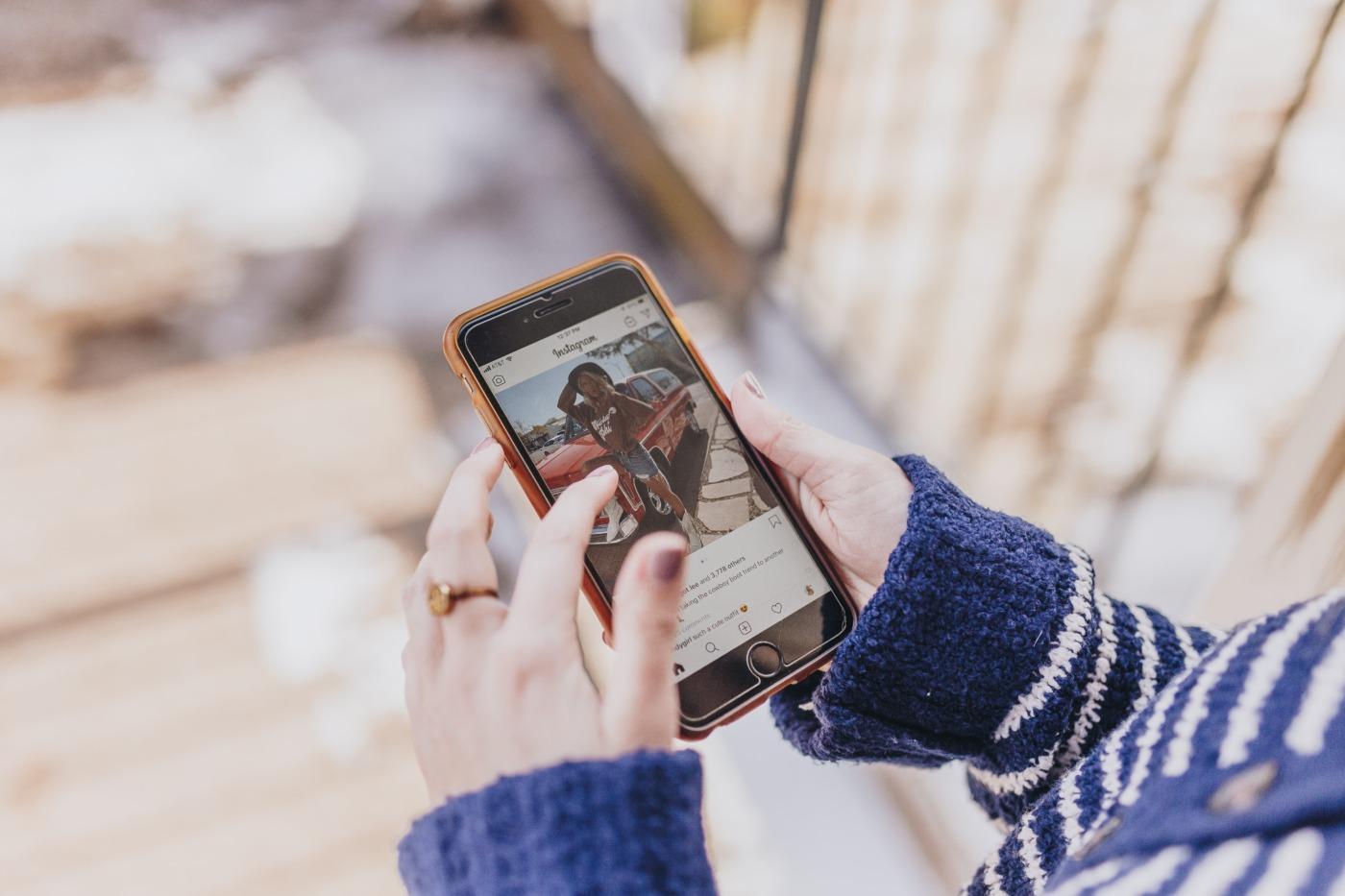
Gen Zs are also calling for greater transparency around filter use. In the UK, 61% of Gen Zs think that it should be compulsory to say if a filter has been used in a post in some capacity (although 32% believe this should only be the case if you’re a celebrity or influencer). Likewise, in the US, 52% of Gen Zs think that public figures, at least, should disclose filtered content to their followers.
Ultimately, Gen Zs have grown up in a world of filters – experimenting on Snapchat and hopping on AR-filtered TikTok trends has become a rite of passage. But like many aspects of online culture, brands’ presence will only grow – it’s important to consider whether you’re entertaining your audience, or hindering their confidence.
This blog is part of our authenticity edit. Next up: The biggest Gen Z fashion icons of 2021
Carla Pelosoff · 19 October 2026
Emily Jean-Mary · 15 October 2026

Amelia Lisco · 14 October 2026