
Greggs x Student Beans: How a bus tour won Freshers’ loyalty
Carla Pelosoff · 19 October 2026


There’s no doubt about it: sex in marketing grabs attention. In fact, many brands have used sex in their advertising to create some of the most effective and memorable marketing campaigns of all time. But when it comes to actually selling the product, are younger consumers engaged with this kind of marketing? Or is it all a bit much for a demographic labeled ‘Generation Sensible’?
Did you know the earliest use of nudity in a marketing campaign dates back all the way to 1871? Pearl Tobacco, a cigarette company, displayed an image of a naked maiden on their packaging (in an incredibly provocative move for the time). Sales immediately rose, and other cigarette companies jumped legs-first on to the sex bandwagon, with Duke and Sons copying by inserting trading cards of sexually provocative starlets into their cigarette packs. Since then, sex in advertising has thrived through the ages by pushing boundaries and twisting the limits of social acceptability.
There’s no doubt that Gen Z are interested in sex. In fact, according to LoveHoney, they’re the most sex positive generation yet. They just happen to not be having much of it, with 1 in 4 Gen Z adults admitting to never having done the deed before. Interestingly, compared to Gen X and Millennials, Gen Z seem more keen on fantasizing about sex. And, as we know, advertising is all about capitalizing on popular interest – so it should be reasonable to say that sex must sell, since thinking about the act is getting so much airtime from this younger demographic.
Alas, however, it’s not that simple…
Sex in advertising has changed with the times, ranging from provocative, to sexist, to challenging mainstream conventions. Gen Z has driven the shift in this landscape – this demographic is all about healthy, inclusive and positive displays of sex in marketing. They’re receptive to themes like female empowerment, body positivity and expressing yourself however you choose. They’re also quick to call out any advertising they feel is creepy or overtly sexual, with 36% of complaints to Advertising Standards in 2018 citing ‘sexuality and nudity’ as their reasoning.
A recent advert from PrettyLittleThing drew controversy after it pictured 16-year-old brand ambassador Alabama Barker (Kourtney Kardashian’s step-daughter) in tight-fitting, revealing clothing. Alongside the images of Barker, text read “channel that teen dream realness with barely-there micro mini skirts”.

PLT’s misdemeanor isn’t a far cry from Calvin Klein’s infamous 1980 campaign with Brooke Shields. Shields (15 years old at the time) was pictured suggestively in a pair of Calvins with the text “Do you know what comes between me and my Calvins? Nothing” infamously written underneath. The commercial caused public outrage and was even banned in some countries. However, the fact that we’re still seeing similar advertising demonstrates that sex in the age of digital marketing is still alive and kicking.
Gen Z prioritizes diversity across gender and orientation, with their demographic being the most likely to identify as non-binary/third gender. Dazed’s 2021 Sex Survey reported how 50% of Gen Z would describe their sexuality as fluid (the highest percentage of any age group) and prefer their gender to be undefined.
This is corroborated in Pion research with, 1 in 2 young people surveyed shared that they’re not 100% heterosexual. These nuances have played out in popular culture, with many fashion labels (such as Collusion) only making unisex clothing, and public figures, such as Harry Styles and Sam Smith, praised for their androgynous style.
Watch on InstagramHowever, when it comes to advertising, brands appear to be lagging behind. There is a growing demand from Gen Z consumers to see diverse portrayals in advertising – but unfortunately, this space still continues to be formed by the “homogeneous, narrow, white cis-male gaze”, according to Sara Beech. For brands, understanding the importance of queer advertising is integral to reaching Gen Z audiences. LGBTQ+ representation in advertising has proved its value time and time again, improving brand recall, inspiring more purchases and promoting a progressive company image.
Sexualised advertising might grab attention, but is it rewiring our brains? Well, according to the Institute of Neuroscience and Psychology, yes. Exposure to sexualised bodies can shift our cognitive mechanisms from configural to a more part-based analytical kind (TLDR: more object-focused than person-focused). This is especially relevant to the way women are portrayed in advertising. Historically, women have been depicted through a stereotypical lens (think damsel in distress or ditsy woman) while men are shown as powerful and sexually aggressive.
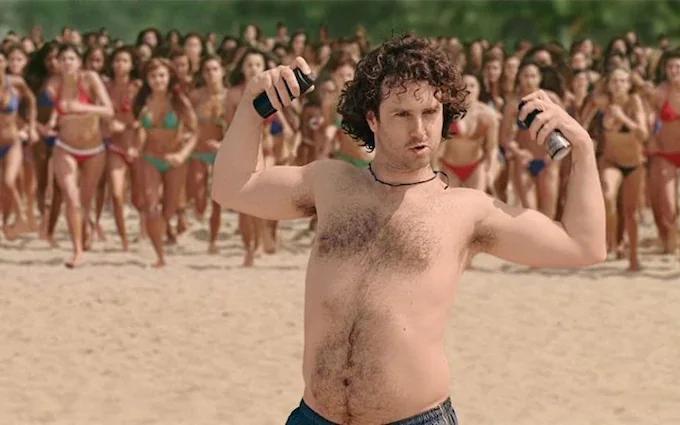
While overt examples of this are becoming less common, sexism in advertising hasn’t disappeared completely; it’s just become more covert. The term ‘Sneaky Sexism’ was coined by Jane Cunningham and Philippa Roberts to describe this exact phenomenon. ‘Sneaky sexism’ occurs when advertisers slip sexism into their campaigns in a subtle way. ‘Sneaky’ is the key word here – the covert nature means that brands avoid the dreaded ‘cancel culture’ movement and often escape scathe-free.
However, Gen Z are challenging this implicit harm, and putting brands under closer scrutiny than ever. BBC News recently printed a headline about Jacinda Ardern, former prime minister of New Zealand, writing that her resignation posited the question of whether women could ‘truly ever have it all’. The outrage flooded in, with many young consumers (who were big fans of the Kiwi politician) stating their disappointment in the BBC for publishing such an overtly sexist headline.
Other more subtle forms of sexism have also appeared from credible sources – even from the UK government when they shared this *rather interesting* infographic:

As a generation who embrace feminism as a positive thing and recognize the intersection between activism and their online presences, Gen Z are quick to call out brands online. Complaints no longer have to go via a standards board – in fact, outcry on Twitter and TikTok can be enough for a brand to realize their mistakes. The hashtag #EverydaySexism is a popular avenue for young consumers to draw attention to sexism in branding, and is used frequently to do so.
It’s no secret that advertising can be unrealistic. However, Gen Z audiences are challenging this, and searching for authenticity in marketing.
Marketers are aware that Gen Z have grown up with a ubiquity of sexual content at their fingertips, with online pornography freely available and many subscribing to sites like OnlyFans and AdmireMeVIP. Despite this, there seems to be a greater appetite to see the real side of sex, shown through Gen Z’s consumption of shows like Sex Education (which follows the awkward encounters of teenagers in the UK). Brands are embracing this craving for authenticity and channeling it into their marketing strategy – and Gen Z are here for it!
One example is Zoopla’s ‘Picture Frame’ advert, which pans through a half-unpacked flat while the audience hears loud banging noises. The panning stops on a shot of a picture frame, with text underneath explaining its the first time this lucky pair have lived alone.
This advert was an empathetic nod to the awkwardness of sex – a far cry from overly sexualised adverts and voyeuristic marketing.
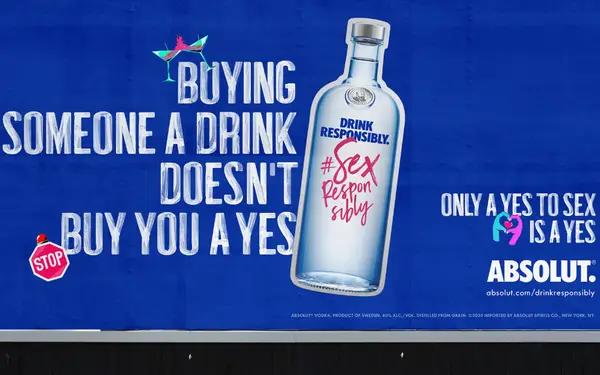
Equally, brands have also used advertising to tackle a murkier aspect of sex: consent. Vodka brand Absolut kicked off their #SexResponsibly campaign in 2019 by sparking conversation about the importance of consent in forming healthy sexual relationships. One ad read “Buying someone a drink doesn’t buy you a yes”, while another read “only a yes to sex is a yes”. Statistics show this kind of advertising resonates with Gen Z audiences, who are drawn to brands who showcase social responsibility.
Of course you do. Get a weekly dose of Gen Z trends straight to your inbox.
Carla Pelosoff · 19 October 2026

Emily Jean-Mary · 15 October 2026

Amelia Lisco · 14 October 2026