Greggs x Student Beans: How a bus tour won Freshers’ loyalty
Carla Pelosoff · 19 October 2026
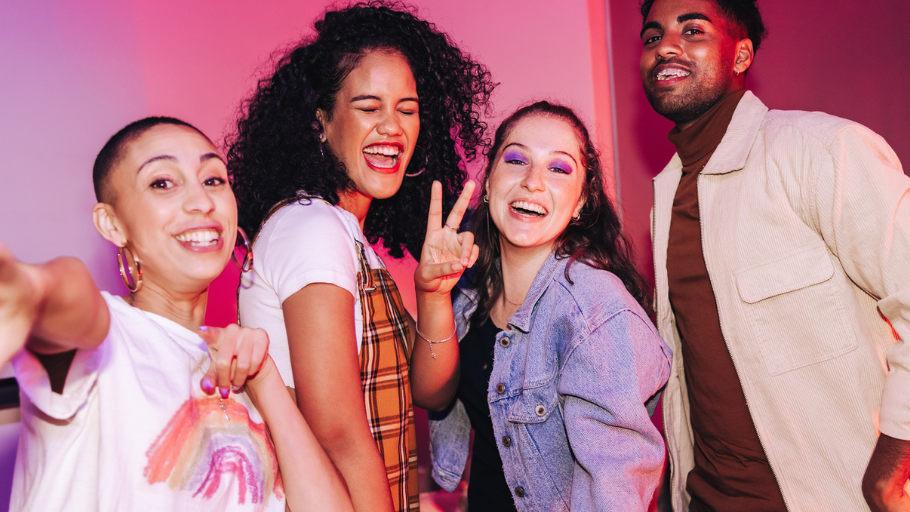


It’s no secret that young consumers are losing faith in traditional digital marketing. Members of Generation Z don’t want crass marketing, overt selling, or marketing strategies that appeal to previous generations. Instead, they want authentic connections and recommendations from their peers in real-time.
Influencer marketing has grown exponentially over the past few years, and 2026 is set to be no different. Influencer marketing is proven to generate 11 times the ROI than traditional advertising and offers the personal, trustworthy, and reactive experiences that Gen Z loves. In other words: get used to it, people.
But why are influencers so successful? Well, they have the ability to engage with their audiences, including potential customers, in a way that faceless brands can’t. They bring their unique and personal qualities to the marketing space, marketing products and services in a way that resonates with digital natives and even appeals to older generations like Baby Boomers. It’s marketing masked as entertainment.
We’re all aware of the potential dangers when it comes to working with creators, but when it goes right, it goes really right. But how can you get a piece of the pie? How can you land your dream collaboration? And how can we help?
In this blog post, we’ll be taking a deep dive into the world of influencer marketing, sharing our top tips, and hearing from Pion’s Head of Influencer Marketing, Ruby Soave.
Before we look to the future of influencer marketing, let’s take it back a step. Back to the beginning of this type of marketing.
Nowadays, we may think of content creators and influencers as fashion superstars or TikTok teenagers, but some say that royal families and religious figures were the OG influencers. Some argue influencers began with royalty and the Pope, who would endorse new medicines for people to take.
Their position (and ‘divinely appointed power’) influenced people to take action upon their recommendations.
Ruby describes influencers as “change agents” who “influence consumers’ attitudes and actions.” This is as true now as it was then.
But in terms of what we recognize as an influencer in the 21st century, early 2000s ‘mummy bloggers’ really kickstarted the space. These groups of women were sharing information in a tight community, and once brands clocked onto the influence they held with one another, brand partnerships began to emerge.
Fast forward to 2008–2009 and YouTube vloggers were at their peak. From Zoella to PewDiePie (hell, even Ariana Grande started out on YouTube), this is when social media names began to be regarded as celebrities in their own right. Bloggers and vloggers were appearing at fashion week, and now, TikTok stars are doing the same thing (much to the disgust of Billie Eilish, who was overheard sharing her thoughts on the presence of TikTok stars with Kylie Minogue at the People’s Choice Awards recently).
Watch on TikTok“As new social media platforms continue to emerge and diversify, so have the opportunities and the ecommerce opportunities within them”, says Ruby.
But it wasn’t until 2014–2015 that we started to see paid testing with creators.
“Once we comply with the ASA and use the required ad disclosure, a creator’s content can receive only 10% of its usual view rate. Today, paid optimization is rarely an option, it’s a prerequisite. Marketers need to consider this when negotiating with creators and interrogating the media value/buy. And, repurpose the content across relevant channels (Instagram Reels and Shorts, with the appropriate modifications).
“With the continued threat of TikTok’s ‘ban’ in the USA, we are seeing many creators build an omni-social-channel audience - and brands will follow where the creators’ audiences are.”
And, lest we forget, the impact of reality TV. Shows like ‘Love Island’, ‘Big Brother’, and even ‘The Traitors’, now have the power to create influencers overnight. And with overnight influencers comes the danger of fake influencers (and audiences). The world of influencer marketing can be tricky to navigate at times!
Ruby says that “given today’s macro climate, the pressure for marketers to justify spend and prove ROI is at the highest levels than ever before in the history of influencer marketing - and the industry is continually diversifying to meet these demands, with TikTok Shop being one of the most exciting recent developments.”
“Today, creators are at the center of strategy and at the heart of media plans”, Ruby continues. “Brands get better ROI by diversifying and testing creators’ content across platforms.”
We’ve established that finding the right creator for your campaign can help you reach your campaign goals, and align Gen Z with your brand.
But finding the right creator for your campaign involves an awful lot of hard work: there’s researching, living online, analyzing data, building relationships, signing contracts… the list goes on.
But! You don’t have to do all of this by yourself – we’re here to help with Student Beans Creators.
Pion’s Student Beans Creators program uses peer-to-peer marketing to connect young people with brands: they’re multichannel creator campaigns produced by Gen Z, for Gen Z.
Watch on TikTokHere’s what we look at when choosing content creators for campaigns, not limited to:
“We go in with the human touch on top of the technology” says Ruby. “We treat creators as a media buy, which is something we need to do in the industry today, especially with the Wild West creator pricing on TikTok. Our approach ensures we pay the right price for our campaigns.”
So there you have it: a simple guide to how you can find the best influencer for your marketing campaigns. Be sure to check out Student Beans Creators for more information.
Student Beans Creators is Pion’s influencer campaign targeted at our Student Beans audience. They’re multi-channel creator campaigns with content produced by Gen Z for Gen Z.
Carla Pelosoff · 19 October 2026
Emily Jean-Mary · 15 October 2026
Amelia Lisco · 14 October 2026