
Greggs x Student Beans: How a bus tour won Freshers’ loyalty
Carla Pelosoff · 19 October 2026


In today’s world, AI is everywhere: it’s become an unavoidable topic and a key part of our day-to-day existence.
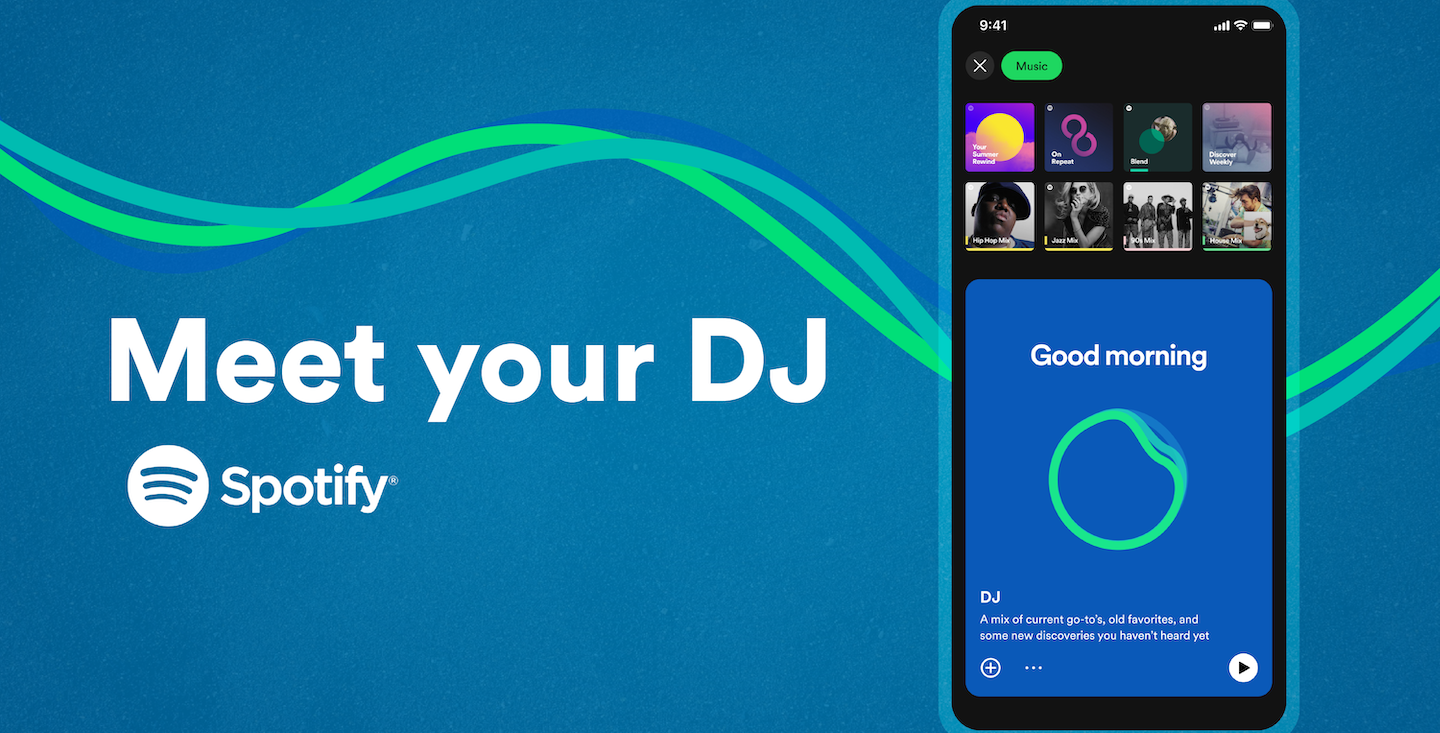
From the TikTok algorithm, to Netflix suggestions, dating apps and personalized playlists, AI has integrated into our lives quicker than you can say “Hey Siri!”.
Well, the first thing to note is that Gen Z grew up with smartphones and social media: so they’re pretty familiar with AI. They’ll have come of age seeing it in action, probably interacting with it unconsciously through things like their curated content feeds.
This is what’s known as passive AI – it’s subtle.
Active AI is probably what you think of when you think of AI. It’s the ChatGPTs, Bards and virtual influencers of the world. Generative AI hit the mainstream in 2022, and we’re now seeing human-to-robot interactions evolve at a rapid pace.
This is a tricky topic – and rightly so. Many are fearful for the future of human connections. Others are worried about job prospects. Some are concerned they won’t be able to keep up in a world changing so quickly.
Oliver Yonchev, CEO of Flight Story, an AI-first agency, shares that these fears shouldn’t hold weight. “It’s important to zoom out for a second, and look at why we innovate”, he notes. He presses that generative AI will write a “new era” for marketers – and for young people, they’re often the ones who “show us the path forward”.
One answer came out on top: AI.
Let’s take a look at some of the data...
34% of Gen Z believe that AI is a threat to human connections
25% believe that AI will make them more productive
40% of Gen Z believe that AI is a threat to creativity
21% of Gen Z are already using AI to secure their future jobs.
Given the statistics and knowledge of Gen Z attitudes towards AI, brands can leverage AI effectively in their youth marketing strategies. Here’s how:
Utilize AI tools to identify and collaborate with influencers and affiliates who resonate with Gen Z. AI can analyze engagement metrics and audience demographics to ensure your affiliate marketing efforts are hitting the right notes.
Create personalized and engaging content with AI. From blog posts to social media updates, AI-driven content marketing tools can help produce high-quality content that appeals to Gen Z’s interests.
Incorporate the best AI tools for digital marketing to streamline your efforts. Tools like HubSpot, Jasper, and Canva’s AI features can enhance your campaigns, making them more effective and efficient.
For small businesses, AI can level the playing field. Use AI for targeted marketing, customer service chatbots, and predictive analytics to better understand and meet the needs of Gen Z customers.
Enhance your email campaigns with AI by personalizing email content, optimizing send times, and segmenting your audience more effectively. AI-driven email marketing can increase engagement rates among Gen Z recipients.
Automate repetitive marketing tasks with AI to save time and resources. AI marketing automation can manage social media posts, email campaigns, and even ad placements, ensuring consistency and efficiency.
Leverage automated AI-based social media marketing tools to maintain a consistent online presence. AI can help schedule posts, engage with followers, and even create content that is relevant to current trends.
Invest in AI marketing tools that provide insights into consumer behavior, preferences, and trends. Tools like Google Analytics, Adobe Analytics, and SEMrush can help you make data-driven decisions and fine-tune your marketing strategies.
The Youth Trends Report is now available. Download today.
Carla Pelosoff · 19 October 2026

Emily Jean-Mary · 15 October 2026

Amelia Lisco · 14 October 2026